Do scans show the baby’s heartbeat and movements?
- imaginatalclinics
- Oct 29, 2025
- 5 min read


Pregnancy is a time filled with many emotions, from excitement and anticipation to curiosity about the baby's health and development. One of the most common ways expectant parents monitor their baby's progress is through ultrasounds, which provide vital information about the baby’s growth, heartbeat, and movements. In this blog, we will explore how scans can reveal the baby’s heartbeat and movements, the types of scans that can detect these vital signs, and when you can expect to see them during pregnancy.
The Role of Ultrasound Scans in Pregnancy
Ultrasound scans, also known as sonograms, are essential tools in modern obstetrics. They use high-frequency sound waves to create real-time images of the baby in the womb. While ultrasound technology is often used for assessing the baby’s development, detecting abnormalities, and confirming the pregnancy, many parents are curious if these scans can also show the baby’s heartbeat and movements.
The short answer is yes, ultrasound scans can detect both the heartbeat and movements of the baby, but the timing and the type of scan depend on various factors.
Detecting the Baby’s Heartbeat Through Ultrasound
One of the most exciting milestones in early pregnancy is hearing the baby's heartbeat for the first time. For many parents, this sound is the first tangible sign that the pregnancy is progressing well. But how early can you hear this precious heartbeat, and what type of scan can detect it?
Early Ultrasound Scans (6-7 Weeks) The earliest ultrasound scan that can detect a heartbeat is usually performed around 6 to 7 weeks of pregnancy. At this stage, the baby is still very small, but the heartbeat can often be detected with an abdominal or transvaginal ultrasound. A transvaginal ultrasound, which involves a probe inserted into the vagina, is more effective at this early stage because it provides clearer images and sound than an abdominal ultrasound. The heartbeat is typically visible as a flicker on the screen.
Heartbeat Detection and Its Significance The baby’s heartbeat is often seen as a flickering motion on the ultrasound, which corresponds to the rapid beating of the heart. At this point, the heart rate is usually very fast, often ranging from 100 to 160 beats per minute. Detecting the heartbeat early is a positive sign and often brings reassurance to expectant parents that the baby is alive and developing normally. However, it’s important to note that not all early ultrasounds will immediately detect a heartbeat. Sometimes, it may take a few more weeks for the heartbeat to become visible, especially if the pregnancy is not as far along as initially thought or if the baby is in a difficult position.
Observing the Baby’s Movements on Ultrasound
As the pregnancy progresses, you may start to feel the baby’s movements. This often begins around the 18-20 week mark for many women, but ultrasounds can detect the baby’s movements much earlier, even as early as 7-8 weeks.
Fetal Movements in Early Pregnancy (7-12 Weeks) During the first trimester, the baby’s movements are typically small and can’t be felt by the mother. However, they are still visible on ultrasound. These early movements are often referred to as "jerky" or "uncontrolled" movements as the baby begins to practice basic motor skills. While these movements are not yet coordinated, they are essential for the baby's development and can be seen on ultrasound as early as 7-8 weeks, though they are more commonly observed by the 12-week mark.
Movements in the Second Trimester (13-24 Weeks) As the baby grows, movements become more noticeable, and the type of movements seen on ultrasound changes. During the second trimester, ultrasound scans can reveal more coordinated movements, such as kicking, stretching, and turning. This is the time when many parents start feeling their baby’s movements. At this point, fetal movements are often described as being more fluid and purposeful as the baby’s muscles and nervous system continue to develop.
What the Movements Indicate Baby’s movements, as observed on ultrasound, are a crucial sign of healthy development. Movements indicate that the baby’s nervous system and muscles are functioning properly. Regular movements are also a sign that the baby is getting enough oxygen and nutrients. If the baby appears to be too still during an ultrasound or lacks movement altogether, it can sometimes be a cause for concern. However, it’s important to remember that some babies are just more active than others, and the absence of visible movement in one scan does not always signal a problem.
Can You See the Baby’s Heartbeat and Movements During an Early Gender Scan?
An early gender scan in Gloucester is typically conducted between 16 and 20 weeks of pregnancy. While the primary purpose of this scan is to determine the baby's sex, it also provides an excellent opportunity to observe the baby’s development, including the heartbeat and movements.
During an early gender scan, the ultrasound technician will likely show you the baby’s heartbeat as part of the scan, especially if it hasn’t been seen yet. They may also show you the baby’s movements, especially if the baby is active during the scan. Although the primary focus of an early gender scan is to determine the baby’s sex, many parents find it reassuring and exciting to see their baby’s heartbeat and observe their movements on the screen.
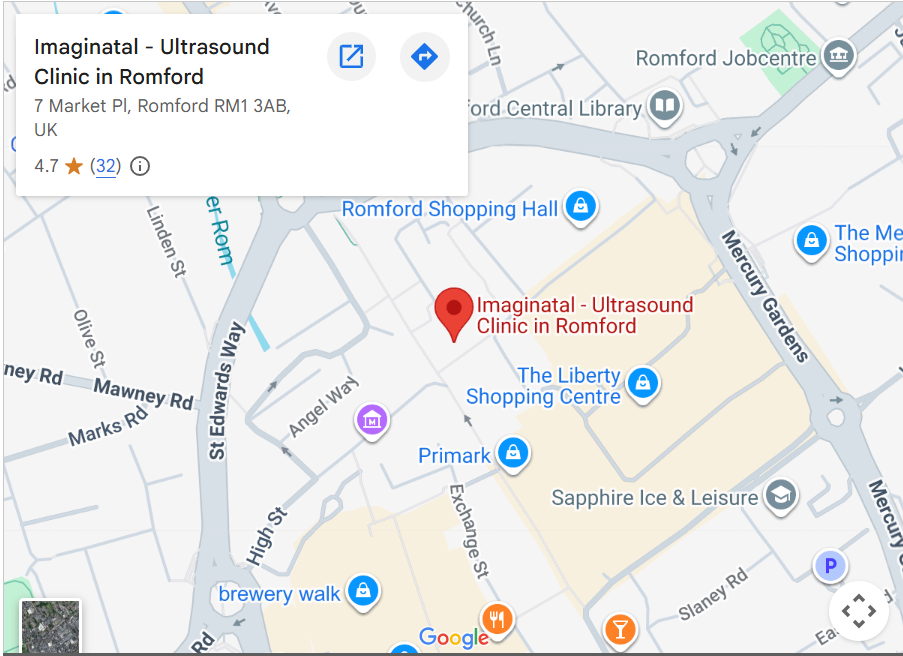
If you’re considering a Early Gender Scan in Gloucester, find us on the map below to book your appointment.
Other Types of Scans for Monitoring Baby's Heartbeat and Movements
Doppler Ultrasound A Doppler ultrasound is a special type of scan that uses sound waves to detect blood flow and the baby’s heartbeat. It can be used at any stage of pregnancy but is often used during the later stages to monitor the baby’s health. This scan provides real-time feedback and can show the baby’s heartbeat, movements, and the flow of blood through the placenta and umbilical cord.
3D/4D Ultrasounds For those who want to see the baby’s features and movements in more detail, 3D and 4D ultrasounds can be performed. These scans create highly detailed images and video footage of the baby in the womb, showing facial features, body movements, and even reactions to sounds or touches. While these scans are not typically used for gender determination, they are a popular option for parents who want a more intimate view of their baby.
Conclusion
Ultrasound scans provide valuable information about the health and development of the baby during pregnancy, including detecting the baby’s heartbeat and movements. Early scans, especially those performed between 6 and 12 weeks, can reveal the first signs of a heartbeat, while later scans allow parents to observe more coordinated movements. If you are considering an early gender scan in Gloucester, you can expect not only to learn the sex of your baby but also to witness the heartbeat and movements, providing you with a sense of reassurance and excitement as you prepare for your baby’s arrival.
Whether you’re looking to determine the baby’s sex early or just want to ensure the baby is developing healthily, ultrasounds are an essential part of the pregnancy experience, offering a glimpse into the amazing journey of growing life.


Comments