How Baby Ultrasounds Support Healthy Pregnancy Monitoring
- imaginatalclinics
- Mar 26
- 3 min read


Baby ultrasounds are a cornerstone of healthy pregnancy monitoring, offering healthcare providers a window into fetal development, placental health, and maternal well-being at every stage. A baby ultrasound in Cardiff enables both clinicians and parents to stay informed about the progress of the pregnancy while identifying any issues that may require timely intervention.
The Role of Ultrasound in Prenatal Care
Ultrasound technology has been integral to prenatal care since the 1970s. Today, it remains the safest and most widely used imaging method during pregnancy. Unlike X-rays, ultrasound does not use ionising radiation. Instead, it relies on high-frequency sound waves that reflect off internal structures to create detailed images.
The information gathered from each scan influences clinical decisions ranging from due date calculations to delivery planning. Without ultrasound, many pregnancy complications would go undetected until much later, potentially putting both mother and baby at risk.
First Trimester Monitoring
During the first trimester, baby ultrasounds confirm viability, location, and gestational age. These early assessments establish a reliable baseline for all subsequent care. Detecting a heartbeat, confirming a single or twin pregnancy, and ruling out ectopic implantation are all achieved through ultrasound during these initial weeks.
For women who have had previous complications, early ultrasound provides crucial reassurance and allows for proactive management from the outset.
Second Trimester Assessments
The second trimester brings the detailed anomaly scan, where the baby's organs and structures are examined comprehensively. This scan checks the development of the brain, heart, spine, digestive system, urinary system, and limbs. Identifying structural abnormalities at this stage allows parents and healthcare teams to prepare for any additional care the baby might need after birth.
Cervical length measurement may also be performed during this period for women at risk of preterm labour. A shortened cervix can be managed with interventions such as cervical cerclage or progesterone supplementation.
Third Trimester Tracking
In the third trimester, baby ultrasounds in Cardiff focus on growth velocity, amniotic fluid levels, and fetal position. Growth scans compare the baby's measurements against expected norms to identify babies that are too small or too large for gestational age. Amniotic fluid assessments help detect oligohydramnios or polyhydramnios, both of which can impact delivery planning.
Doppler ultrasound, which measures blood flow in the umbilical artery and other fetal vessels, provides additional information about how well the placenta is nourishing the baby.
Supporting High-Risk Pregnancies
For women with conditions such as pre-eclampsia, gestational diabetes, placenta praevia, or a history of stillbirth, frequent ultrasound monitoring is essential. Scans may be scheduled fortnightly or even weekly to ensure the baby continues to thrive. This close surveillance enables timely decisions about delivery timing, reducing the risk of adverse outcomes.
Strengthening the Parent-Baby Bond
Beyond clinical monitoring, baby ultrasounds strengthen the emotional connection between parents and their unborn child. Watching the baby move, seeing facial features develop, and hearing the heartbeat create meaningful moments that make the pregnancy experience richer and more personal.
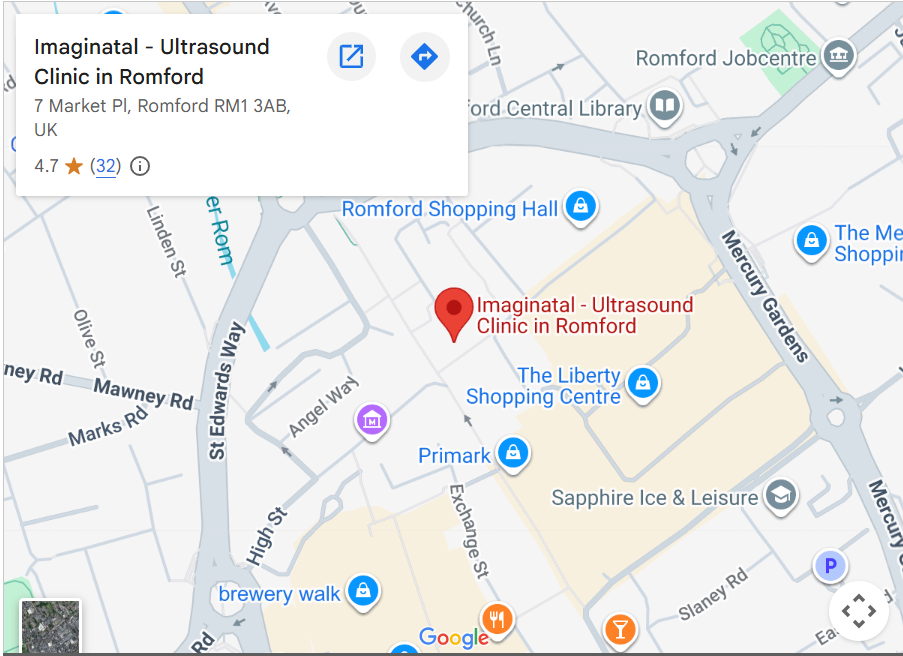
If you're considering a Baby Ultrasound in Cardiff, find us on the map below to book your appointment.

Conclusion
Baby ultrasounds in Cardiff are fundamental to healthy pregnancy monitoring, providing vital data that supports clinical decision-making and parental peace of mind. From first-trimester confirmation to third-trimester growth tracking, each scan contributes to a safer, more informed pregnancy experience. Regular ultrasound monitoring ensures that both you and your baby receive the care and attention needed for the best possible outcome.
FAQs
How often should I have ultrasound scans during pregnancy?
Low-risk pregnancies typically have two NHS scans, but additional scans can be arranged privately based on your needs.
Can ultrasound scans detect all pregnancy complications?
Ultrasound detects many structural and growth-related issues but is used alongside blood tests and clinical assessments for comprehensive monitoring.
Are private baby ultrasounds in Cardiff different from NHS scans?
Private scans often offer longer appointments, advanced imaging options, and more flexible scheduling compared to standard NHS scans.
Is it safe to have multiple ultrasounds during pregnancy?
Yes. There is no evidence that multiple ultrasound scans cause any harm to the mother or baby.


Comments